Hydrotechnical and Navigation Development of the Prut River – A Project of Strategic Importance
The 952-kilometre Prut River rises in the Chornohora Mountains of Ukraine and is a major tributary of the Danube.
The Prut forms the border between Romania and Ukraine for 31 km and between Romania and the Republic of Moldova for 711 km, making it a first-order tributary of the Danube. The Prut currently forms part of the eastern border of both the European Union and NATO.
Benefits:
Improving connectivity between the European Union and countries such as Ukraine and Moldova through the hydrotechnical and transport development of the Prut River would send a strong political message of support for both countries. It would also provide significant opportunities for economic development, helping to reduce the impact of political and economic pressure exerted by Russia.
The hydrotechnical and navigation development of the Prut River aligns with the vision promoted by the European Commission and the Atlantic Council of the United States to advance the North-South Corridor, particularly in the energy and transport sectors.
The proposed hydrotechnical facilities would also serve as bridges, facilitating the development of local cross-border traffic, particularly between Romania and Moldova, where only nine border crossing points currently exist, compared to a historical maximum of 27. The Prut River was navigable between 1914 and 1940. Restoring its navigability would enable agricultural and industrial goods to be transported to the Black Sea at significantly lower costs.
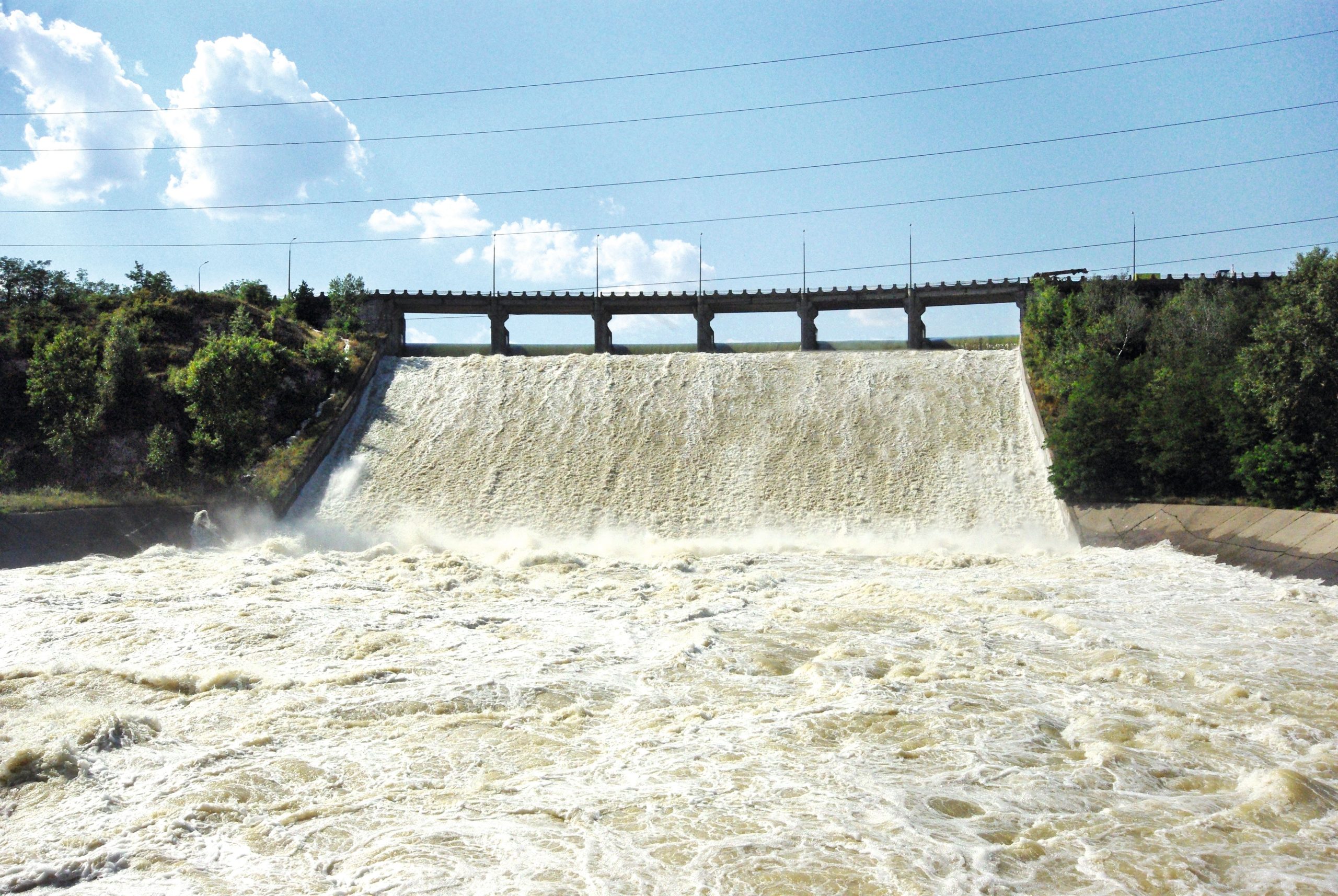
Currently, the only major hydrotechnical development along the Prut River is the Stânca-Costești complex, completed nearly 40 years ago. This infrastructure needs to be complemented by a series of additional hydrotechnical facilities designed to reduce flood risks (the most recent major floods occurred in 2008), while also facilitating the expansion of irrigation networks in a region with substantial agricultural potential and improving water supply infrastructure along the river.
According to specialised studies, the theoretical specific linear hydropower potential of the Prut River ranges between 270 kW/km and 450 kW/km. For the Republic of Moldova, the additional energy contribution could be particularly important, given that the country imports approximately 80% of the electricity it consumes.
From the development of irrigation systems and improved cross-border connectivity to access to cost-effective inland waterway transport and employment opportunities during the project's implementation, local communities would benefit in numerous economic and social ways.
Given its broad and positive impact on a region affected by geopolitical instability and uncertainty, the hydrotechnical and navigation development of the Prut River is more necessary today than ever before. The project would address Romania's and the Republic of Moldova's shared aspirations to strengthen bilateral relations while also supporting Ukraine's strategic objectives in the context of developments in the eastern part of the country. The first stage would involve conducting a pre-feasibility study to assess the project's economic viability and determine the financial resources required for its implementation.